A Japanese tasting menu offers a very different experience from Western-style fine dining. Rather than focusing on abundance or dramatic presentation, it emphasizes balance, seasonality, and progression. If you’ve never tried one before, knowing what to expect from a Japanese tasting menu can help you fully appreciate its rhythm and intention.
A Carefully Structured Progression
One of the first things you’ll notice is the pacing. A Japanese tasting menu unfolds gradually, with each course designed to prepare you for the next. Lighter flavors usually come first, followed by richer or warmer dishes, and then a return to clean, delicate notes toward the end.
This structure isn’t accidental. Chefs build menus to guide the palate, avoiding fatigue and keeping flavors clear. Instead of dramatic highs and lows, the experience feels steady and cohesive.
Seasonality Takes Center Stage
Japanese cuisine places enormous importance on seasonality. A tasting menu reflects what’s at its peak at that exact moment, whether it’s a specific fish, vegetable, or preparation technique.
Because of this, menus often change frequently. Dishes you try one month may disappear the next. That sense of impermanence is intentional and deeply tied to Japanese culinary philosophy.
Simplicity with Purpose
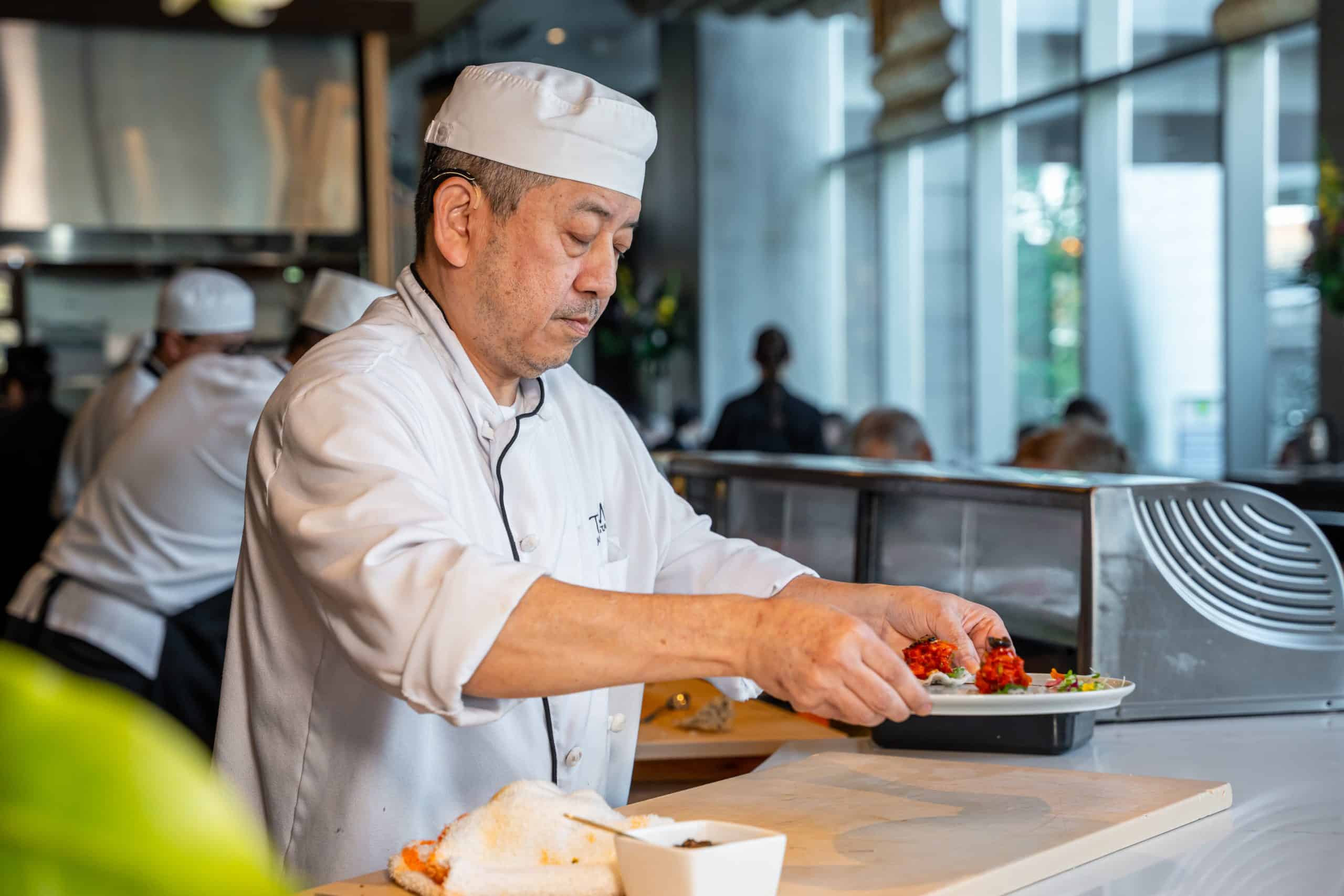
At first glance, some dishes may appear minimal. Portions are often modest, plating is restrained, and ingredients are limited. However, every element on the plate serves a clear purpose.
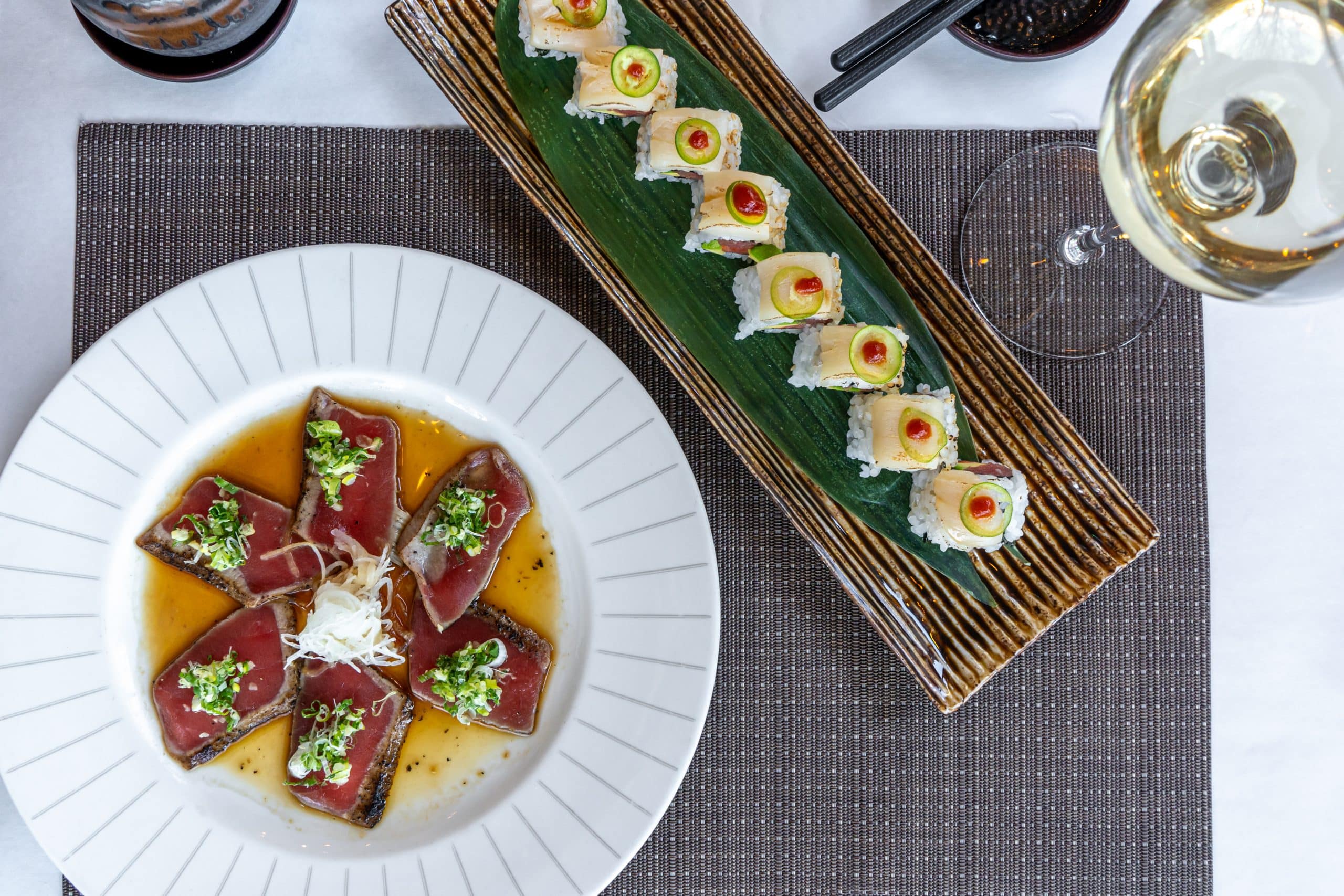
Rather than layering flavors aggressively, Japanese tasting menus rely on contrast and clarity. Texture, temperature, and subtle seasoning matter as much as taste. Small adjustments – like a brush of soy or a hint of citrus – can completely change how a dish lands.
A Balance of Raw and Cooked Dishes
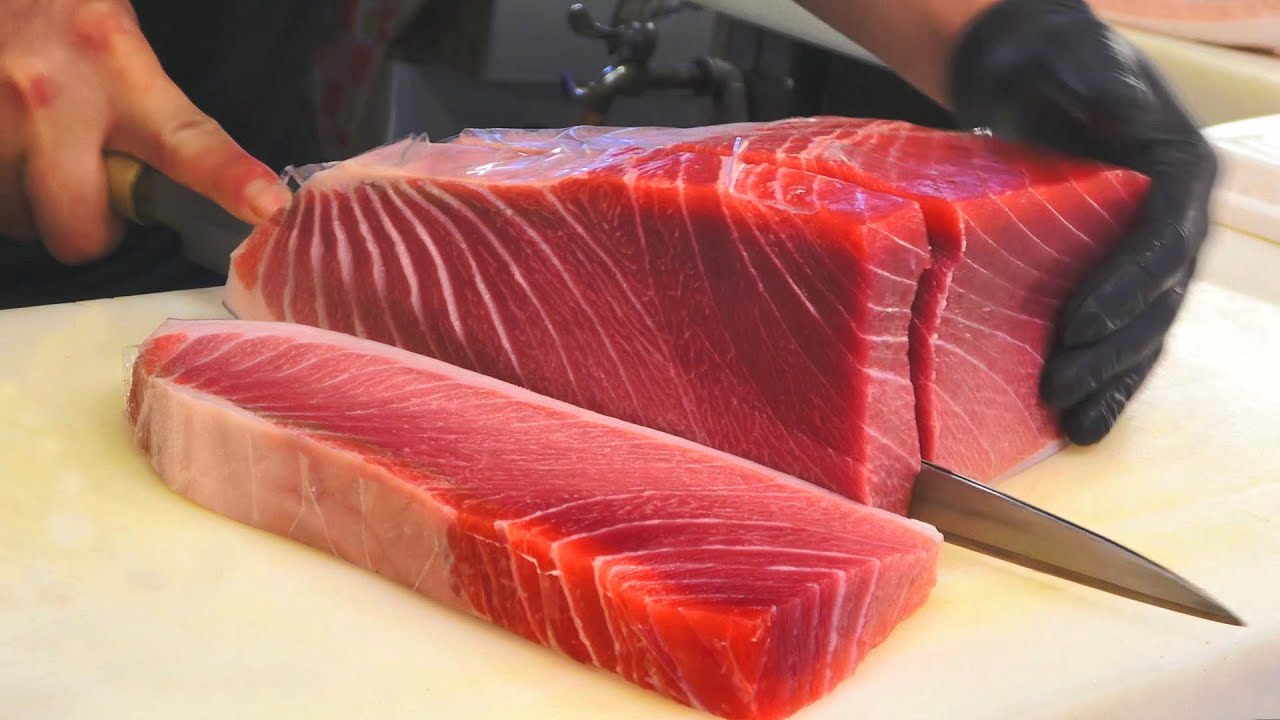
When people think of Japanese tasting menus, they often imagine only sushi. In reality, most menus include a mix of raw, lightly cooked, and warm dishes.
You might begin with a delicate appetizer, move into sashimi or sushi, and later encounter grilled fish, steamed vegetables, or simmered dishes. This balance keeps the experience dynamic and highlights the breadth of Japanese technique.
Trust Between Guest and Chef
A key part of understanding what to expect from a Japanese tasting menu is the element of trust. In many cases, especially with omakase-style menus, the chef decides what you’ll eat.
This isn’t about surprise for its own sake. It allows the kitchen to serve ingredients at their best and adjust the flow of the meal in real time. For diners, it means letting go of control and focusing on the experience.
A Quiet, Intentional Atmosphere
Japanese tasting menus tend to favor calm environments. Service is attentive but unobtrusive. Explanations are brief and informative. The goal is to let the food speak without distraction.
This atmosphere encourages slower eating and deeper attention. Meals aren’t rushed, and conversation often takes a back seat to observation and tasting.
Final Thoughts
Understanding what to expect from a Japanese tasting menu helps shift expectations away from excess and toward intention. These menus prioritize balance, seasonality, and precision, offering an experience that feels thoughtful rather than theatrical.
For diners willing to slow down and trust the process, a Japanese tasting menu delivers something rare: clarity of flavor and a sense of quiet refinement that lingers long after the final course.